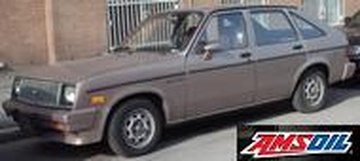
Engine Oil Maintenance for the 1983 Chevrolet Chevette 1.8L Diesel
Maintaining the lubrication system is a fundamental aspect of diesel engine care. For owners of the 1983 Chevrolet Chevette equipped with the 1.8L Diesel engine, following specific component requirements helps ensure the engine operates as intended. Proper oil management involves more than just periodic changes; it requires attention to filter selection, fluid quality, and consistent monitoring of system integrity.
What oil filter is listed for my 1983 Chevrolet CHEVETTE 1.8L?
The WIX Oil Filter part number 51324-EA is listed for this vehicle.
Understanding Diesel Engine Lubrication Needs
Diesel engines operate under different mechanical stresses than gasoline engines. The combustion process in a diesel engine creates significant pressure and heat, which can affect the chemical stability of the engine oil over time. Because the 1.8L Diesel engine relies on consistent lubrication to protect internal components from wear, selecting the correct filtration and oil type is essential for long-term maintenance.
The oil filter serves as the primary defense against contaminants. As oil circulates through the engine, it picks up microscopic debris, soot, and combustion byproducts. A high-quality filter, such as the one listed for this application, is designed to trap these particles before they can recirculate through sensitive engine passages. If a filter becomes clogged or fails to meet the requirements of the engine, the risk of internal component wear increases.
Monitoring Oil Levels and Condition
Regularly checking the oil level is one of the simplest yet most effective maintenance tasks for any vehicle owner. Diesel engines can sometimes consume oil at different rates depending on operating conditions, load, and engine age. Checking the dipstick frequently allows you to identify potential issues before they lead to mechanical failure.
Beyond just checking the quantity, observing the condition of the oil provides valuable information about engine health. Oil that appears excessively dark or contains a gritty texture may indicate that the oil is breaking down or that there is an accumulation of soot and contaminants. If you notice significant changes in the color or consistency of the oil between service intervals, it is advisable to consult your owner's manual or a professional technician.
The Role of Oil Filtration
The filtration process is critical for removing soot, which is a common byproduct of diesel combustion. In a diesel engine, soot particles can suspend in the oil, potentially increasing its viscosity and reducing its ability to lubricate effectively. A properly functioning oil filter captures these particles, maintaining the purity of the lubricant.
When replacing the filter, it is important to ensure that the new unit is seated correctly. An improperly installed filter can lead to leaks or, in some cases, a loss of oil pressure. Always follow the manufacturer's recommended procedures for filter installation to maintain the integrity of the lubrication system.
Identifying Potential Leaks
A clean engine bay makes it much easier to spot potential problems. Oil leaks can originate from several areas, including the oil pan gasket, the valve cover gasket, or the oil filter mounting area. Even a small, slow leak can lead to a gradual loss of oil volume, which may go unnoticed until the level becomes critically low.
If you notice oil spots on your driveway or smell burning oil while driving, these are common indicators that a leak may be present. Addressing leaks promptly prevents unnecessary oil consumption and protects other engine components from being coated in oil, which can attract dirt and debris.
General Maintenance Scheduling
To keep the 1.8L Diesel engine in good working order, you must adhere to a consistent maintenance routine. While specific intervals vary based on driving habits, vehicle age, and environmental conditions, following the manufacturer's recommended service schedule is the most reliable way to prevent premature wear.
The owner's manual provides the definitive guidance for when to perform oil changes and filter replacements. Consistent adherence to these schedules ensures that the engine always has access to fresh lubricant and a clean filtration system, which are the two most important factors in diesel engine longevity.
BUYING ENGINE OIL
When you are ready to purchase new lubricant, ensure you are selecting a product that meets the requirements for your specific engine type. For this 1983 Chevrolet Chevette 1.8L Diesel, always verify that the oil you choose is appropriate for diesel applications. Check the packaging or consult with a retailer to confirm that the product aligns with the specifications found in your vehicle's documentation. Selecting the correct oil helps maintain proper viscosity and protects against the unique combustion characteristics of a diesel engine.